
The Proof System
Where the trade asks buyers to hope,
we hand them papers.
Coir's oldest problem is the gap between what the drum says and what the lab finds. The house closes that gap the old way: test every unit, number it, and strike a mark that cannot appear without the data.
The Serial Chain
One number follows the goods
Every lot is named PC, then the year and month of pressing, then its number. That serial appears identically at every station, so any buyer can chase a single string from the first email to the pallet at their kerb.
The Certificate
Two pages, two voices
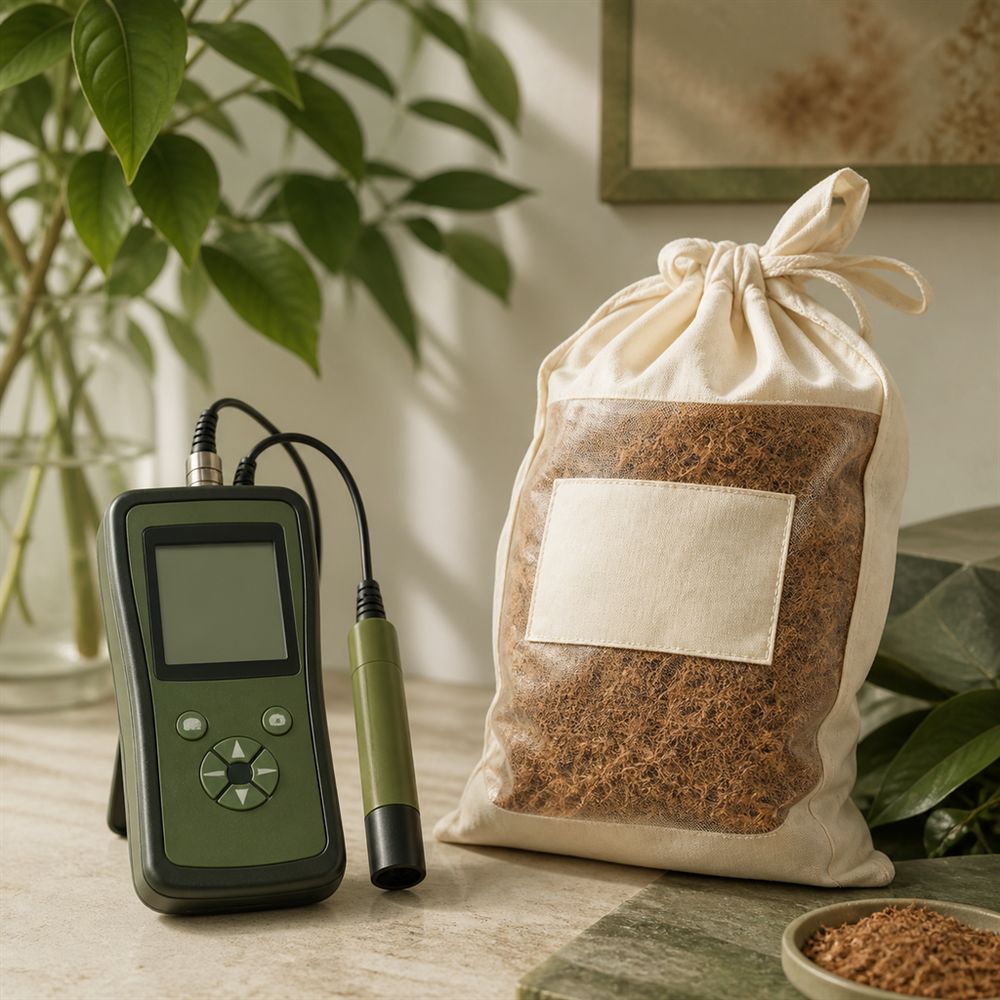
Page one is ours: the Lot Summary Sheet, setting the readings against the Pollachi Standard. Page two is not ours, and that is the point: the independent laboratory's report, reproduced whole on its own letterhead. Our summary, their evidence, visibly separate.
- Conductivity (EC 1:1.5, BS EN 13038), pH (BS EN 13037), moisture, and sand fraction on every lot.
- The laboratory is UKAS-accredited and credited in plain text. We do not wear its logo; we publish its work.
- A sealed retention sample of every shipped lot is kept for the life of the season, and we say so publicly.
The Film
Watch your lot leave Pollachi
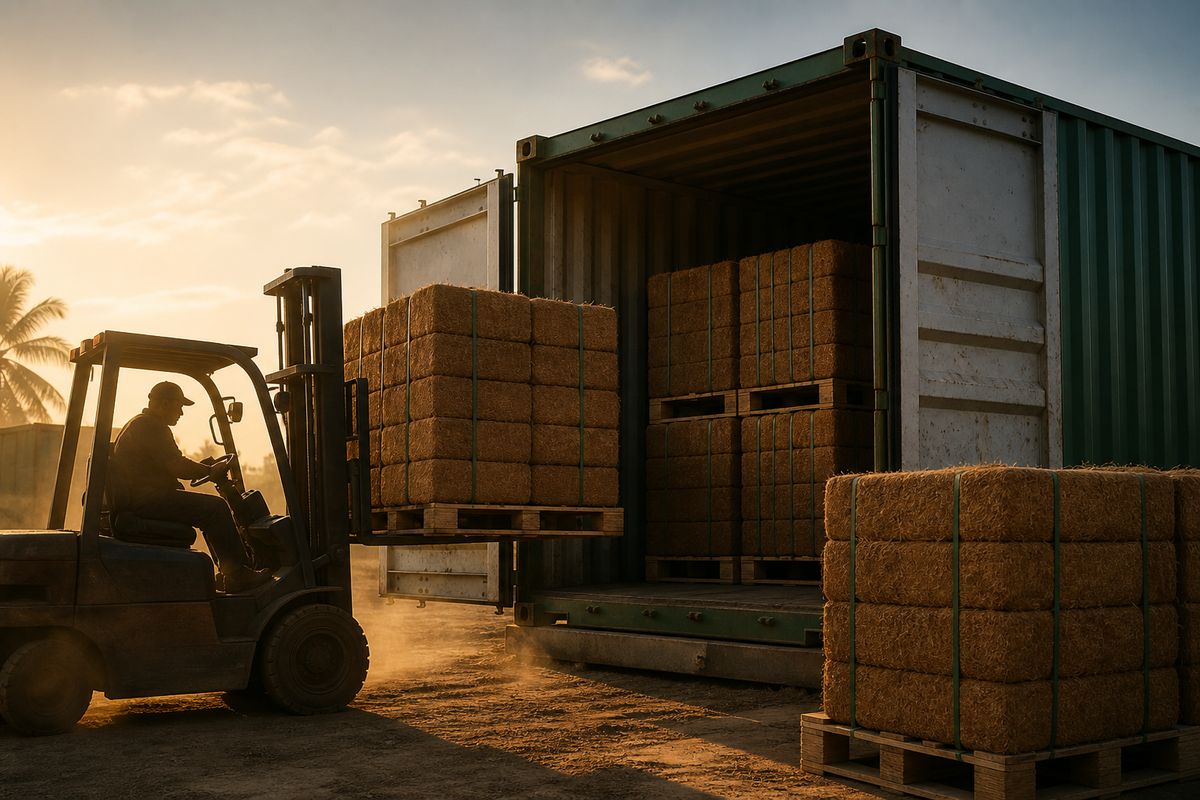
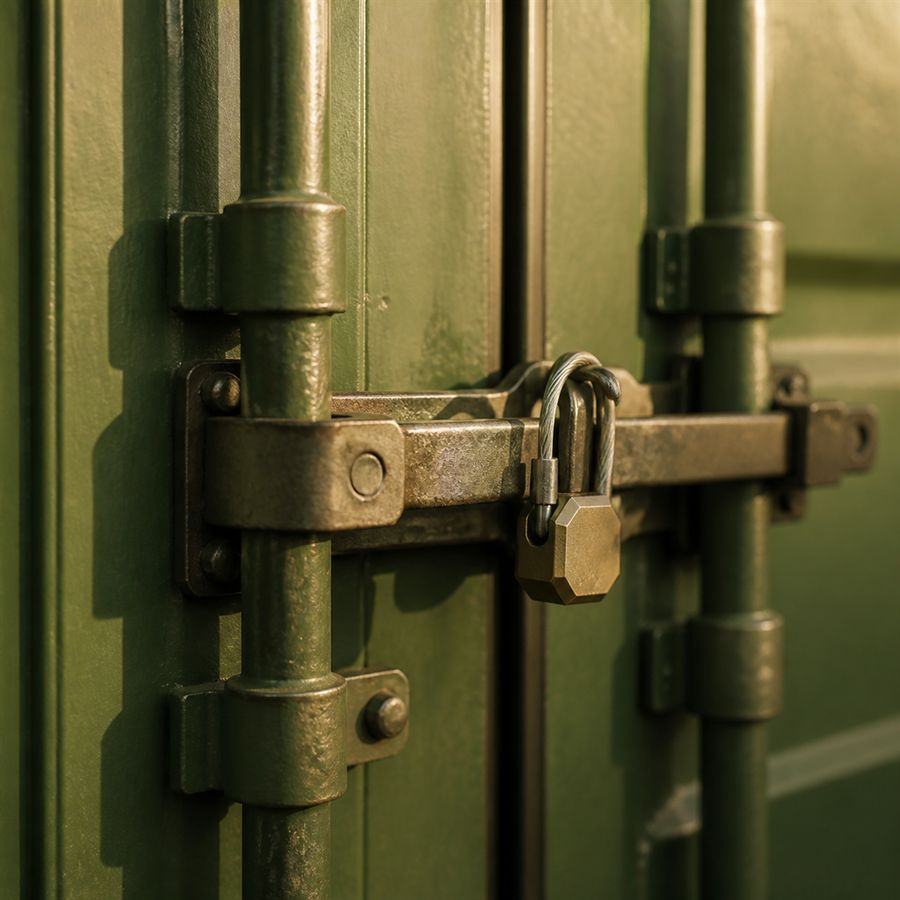
Every consolidated container is filmed at loading by the family on the ground: the pallets counted in, the fascetta bands visible, the doors closed, the bolt seal set and read aloud to camera. The film is linked from your lot page and the seal number is printed on your papers.
The Lot Ledger
Certificates published as they issue
Each lot page carries the certificate, the film, and the readings. The ledger below opens with the first shipping season.
| Lot | Product | EC | pH | Moisture | Papers |
|---|---|---|---|---|---|
| PC-2610-021 | Washed Low-EC | 0.42 | 6.1 | 13.8% | Certificate & film publish at first dispatch |
| PC-2610-022 | Buffered Pro | In testing | January loading | ||
| PC-2611-001 | Husk Chips | Scheduled | January loading | ||
/our-mark
The charter the marks obey
Like an assay office publishing its hallmark guide, the house publishes the conditions its seal may be struck under. This is the whole of it:
- The lot is tested by an independent laboratory against the Pollachi Standard.
- The certificate is published on the lot page before dispatch.
- The loading is filmed, and the container's seal number is printed on the papers.
- The price is public on the Estate Register, and every customer pays the register.
A lot that fails any condition ships without the seal, at a stated discount, or does not ship at all. The seal is never struck on an untested lot. The pottu beside a serial: two above, one below: is the reader's shorthand that all four conditions held.